-

2026.10.30

First vs Second Mortgages: Mortgage Priority, Costs and Risks in Hong Kong
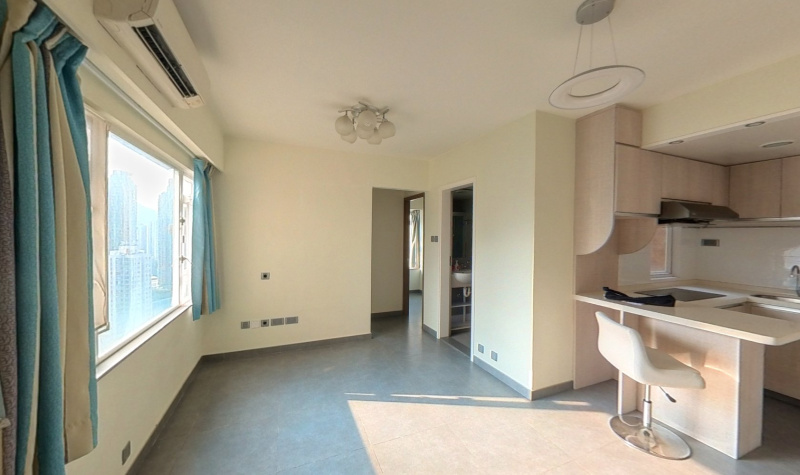
Homeowners who need additional funds and wish to retain their existing mortgage may consider a second mortgage. Before applying, specify the intended use of funds and the amount required, then assess whether the additional repayments would affect everyday expenses or repayments on other debts. A second mortgage is not necessarily faster or cheaper, nor does it guarantee that you will obtain the amount you need. When comparing costs, consider the second mortgage’s interest, fees, loan term and early settlement provisions together, then calculate the combined repayments for both loans. Whether an option is suitable depends on your existing borrowing, funding needs and sustainable repayment capacity. Four Questions to Ask Before Applying for a Second Mortgage 1. Is the Purpose of the Funds Clear? Specify why you need to borrow, the amount required and the expected period of use. This helps prevent the borrowing amount from becoming disconnected from your actual needs. 2. What Are Your Existing Loan Obligations? Review the first mortgage’s outstanding balance, monthly repayments and remaining term, together with other regular debt commitments. Also check the agreement for provisions concerning additional security or financing. 3. How Much Will Remain Each Month After the Additional Repayments? Deduct essential expenses and existing repayments from your actual income, then estimate the repayment obligations the additional loan may create. A property valuation cannot replace a cash-flow assessment. 4. Could You Still Repay if Your Income or Expenses Changed? Use a conservative income estimate and leave room for essential expenses and unexpected events. Understand what happens if interest rates or repayment terms change. If your budget only works when income and expenses remain exactly the same, you may have insufficient room to manage repayments. Before signing, confirm the interest, repayment amounts, loan term, early settlement provisions and the effect of the additional financing on your existing mortgage agreement. If your repayment capacity is limited, reconsider the intended use of funds and the amount required to avoid excessive borrowing. Explore Hong Kong Credit’s First and Second Mortgage Financing Options Hong Kong Credit Finance Limited offers first mortgages, second mortgages and other property financing options. Its property mortgage business began in 1996. Homeowners can explore different arrangements based on their funding needs and existing loans. However, suitability must still be assessed against the property details, income, loan information and formal terms. The company’s business experience does not guarantee approval of an individual application. Before comparing options, prepare: Property information. The existing mortgage balance and repayment amount. The remaining mortgage term. The intended use of funds and the amount required. Clearer information makes it easier to assess whether an additional loan would affect your existing arrangements. Once your property and loan information is ready, you can explore Hong Kong Credit’s first and second mortgage options and prepare for a more informed comparison. Careful assessment based on your needs can help you make a more suitable choice. First and Second Mortgage FAQs 1. Can a First and Second Mortgage Exist on the Same Property at the Same Time? Yes, depending on the loan structure, contractual terms and registration of the security. If the new loan is used to repay the existing loan, however, the arrangement may not involve two loans remaining in place simultaneously. 2. Do I Need the Existing Mortgage Lender’s Consent Before Applying for a Second Mortgage? Check your existing mortgage agreement. It may restrict additional security or borrowing, or require prior consent. Follow the formal documents rather than relying solely on a verbal understanding. 3. Will a Second Mortgage Change the Repayment Arrangements of the First Mortgage? A second mortgage does not usually change the first mortgage’s repayment arrangements automatically. The borrower must continue repaying under the original agreement. However, the additional loan increases the overall repayment obligations, so check the repayment dates and amounts for both loans together. 4. What Happens to the First and Second Mortgages When the Property Is Sold? Before selling, confirm the settlement amounts, payment arrangements and documents required to release the security with the relevant lenders. The actual settlement process depends on registration, contracts and transaction arrangements. It cannot be inferred solely from the labels “first mortgage” and “second mortgage”. 5. Does the Second Mortgage Loan Amount Depend Only on the Property Valuation? No. The existing mortgage balance, other security interests, income, debts, repayment capacity and loan terms may also affect the arrangements. A valuation does not guarantee approval for a particular amount. 6. Is the Interest Rate on a Second Mortgage Always Higher Than on a First Mortgage? Not necessarily. In addition to the interest rate, compare the interest calculation method, loan term, fees and early settlement provisions. Assess the overall costs of both loans together. 7. What Documents Should I Prepare for a First or Second Mortgage Application? You can start by organising identification documents, income or financial information, property and ownership documents, the existing mortgage balance and repayment records, and details of the intended use of funds and amount required. Document requirements may vary by arrangement, so check that your information is complete before submitting the application.
2026.10.25

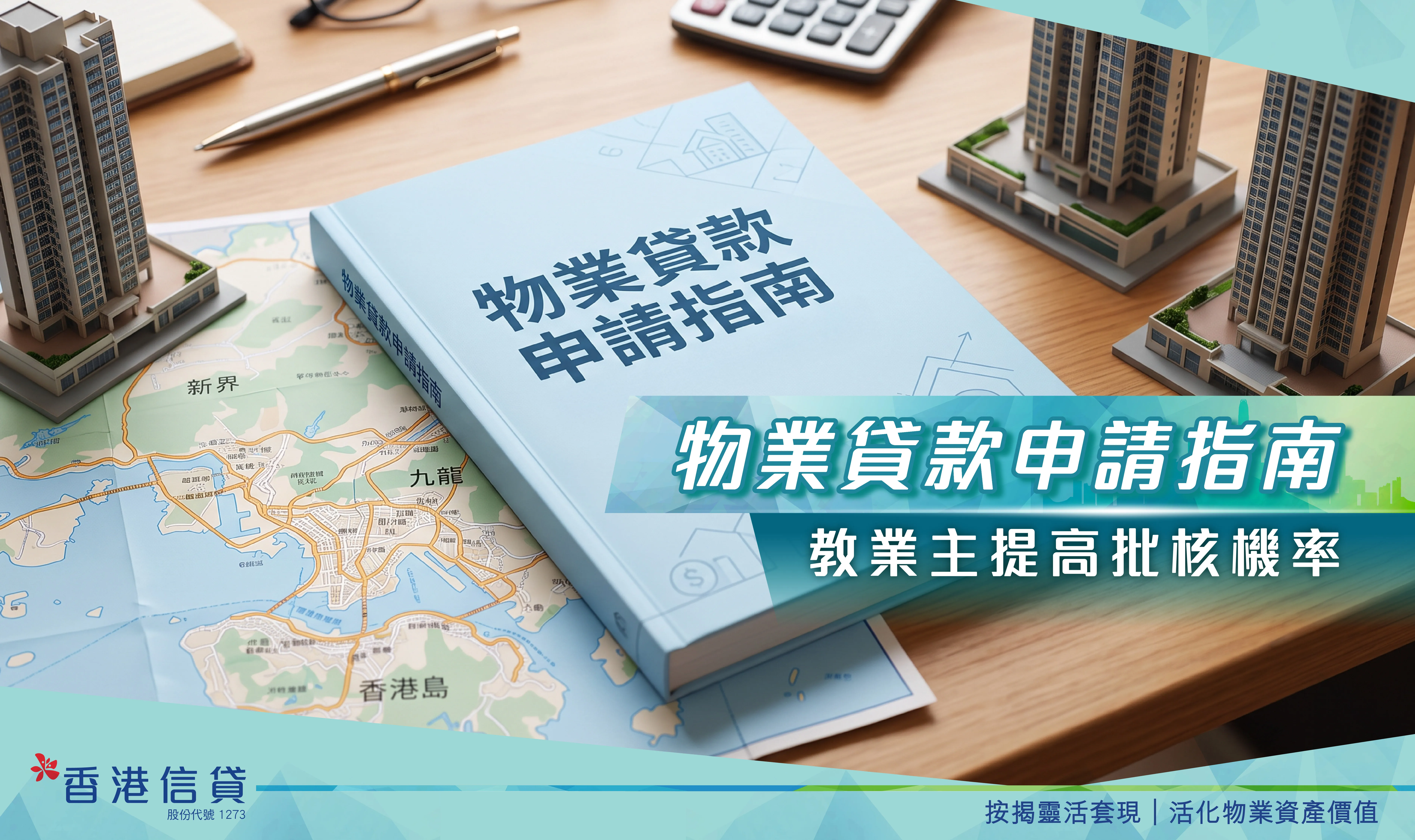
How to Apply for a Property Loan in Hong Kong: A Homeowner’s Guide to Managing Cash Flow and Preparing for Approval

2026.10.06
Hong Kong Finance: The Bridge Loan Expert, Solving Your Short-Term Financing Needs
2026.09.23
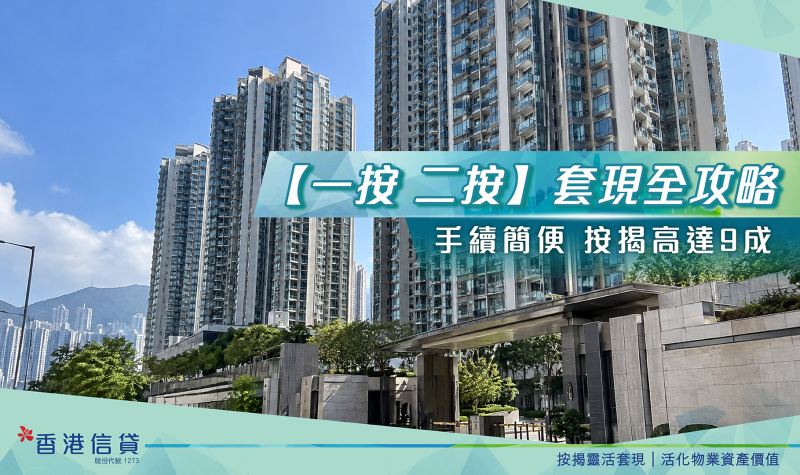
First & Second Mortgages] A Complete Guide to Cash-Out Refinancing: Simple Procedures & LTV Ratios Up to 90%

2026.09.18
A Complete Guide to “Car Park Space Mortgage Cash-Out”: Same-Day Cash-Out for Any Parking Space, Borrow Up to 90%

2026.08.17
【Property Market Uptrend Continues | Properties Regain Equity | Hong Kong Credit Offers Mortgages of Up to 90%】

2026.08.07
【Restaurants Expand Against the Market to Attract Customers | Same-Day Approval for Flexible Funding with No Usage Restrictions】

2026.07.23
Beyond Reverse Mortgages: Flexible Property Financing and Wealth Release for Seniors


2026.06.29
Even the World’s Richest Need Startup Capital: Secured Business Loans for SME Expansion

2026.06.11
Unlocking Home Equity: Fast Property Refinancing and Same-Day Cash as Property Prices Rise

2026.06.01
Relieve Financial Stress: Low-Interest Unsecured Homeowner Personal Loans for Debt Consolidation


2026.04.24
Unsecured Homeowner Personal Loans: Secure Fast Home Renovation Funds in 24 Hours